Written by Evelyn Mytka, Contributing Writer
Starting a skincare or body products business can be an exciting way to turn creativity into a real business. Many entrepreneurs are drawn to making products they care about, building a brand around wellness or self-care, and selling directly to customers through markets or online stores.
What often comes as a surprise is that skincare and body products are subject to strict regulations in Canada, even when they are handmade, natural, or produced in small batches. Launching this type of business in Alberta involves more than a great formula and attractive packaging. Understanding how products are classified, how they are made, and what rules apply can help you avoid costly mistakes and build a business that is set up for long-term success.
This guide walks through the key steps and considerations for starting a skincare or body products business in Alberta, with a focus on compliance, safety, and smart business planning. By the end, you’ll have a clearer sense of what’s required to start selling skincare or body products in Alberta and where to get support if you need it.
Disclaimer: This guide provides general information only and is not legal or regulatory advice. Rules can vary or change, so confirm current requirements with Health Canada, your municipality, or appropriate professionals.
What counts as a skincare or body product business?
In Canada, any substance or mixture used to clean, improve, or alter the complexion, skin, hair, nails or teeth are classified as cosmetics. All beauty preparations, skincare and body products fall under this classification. This includes products such as make-up, perfume, soaps, lotions, creams, balms, oils, scrubs, deodorants, and bath products that are intended to cleanse, moisturize, protect, or improve the appearance of the skin, hair, nails and teeth.
A common misconception is that products labelled as “natural,” “organic,” or “handmade” are exempt from regulation. In reality, cosmetics are regulated regardless of how they are made or how small the business is. Selling only at local markets or through social media does not remove these requirements.
It is also important to understand the difference between cosmetics and other product categories. Products that claim to treat medical conditions or change how the body functions may be classified as natural health products or drugs, which are regulated under different rules. Claims such as “treats eczema,” “heals acne,” or “reduces inflammation” can move a product out of the cosmetic category and into a more tightly regulated one.
Understanding how your products are classified is one of the most important early steps when starting this type of business.
Decide how you will make your products
How your products are made affects your regulatory responsibilities, startup costs, and long-term scalability.
Most skincare and body product businesses use one of three models:
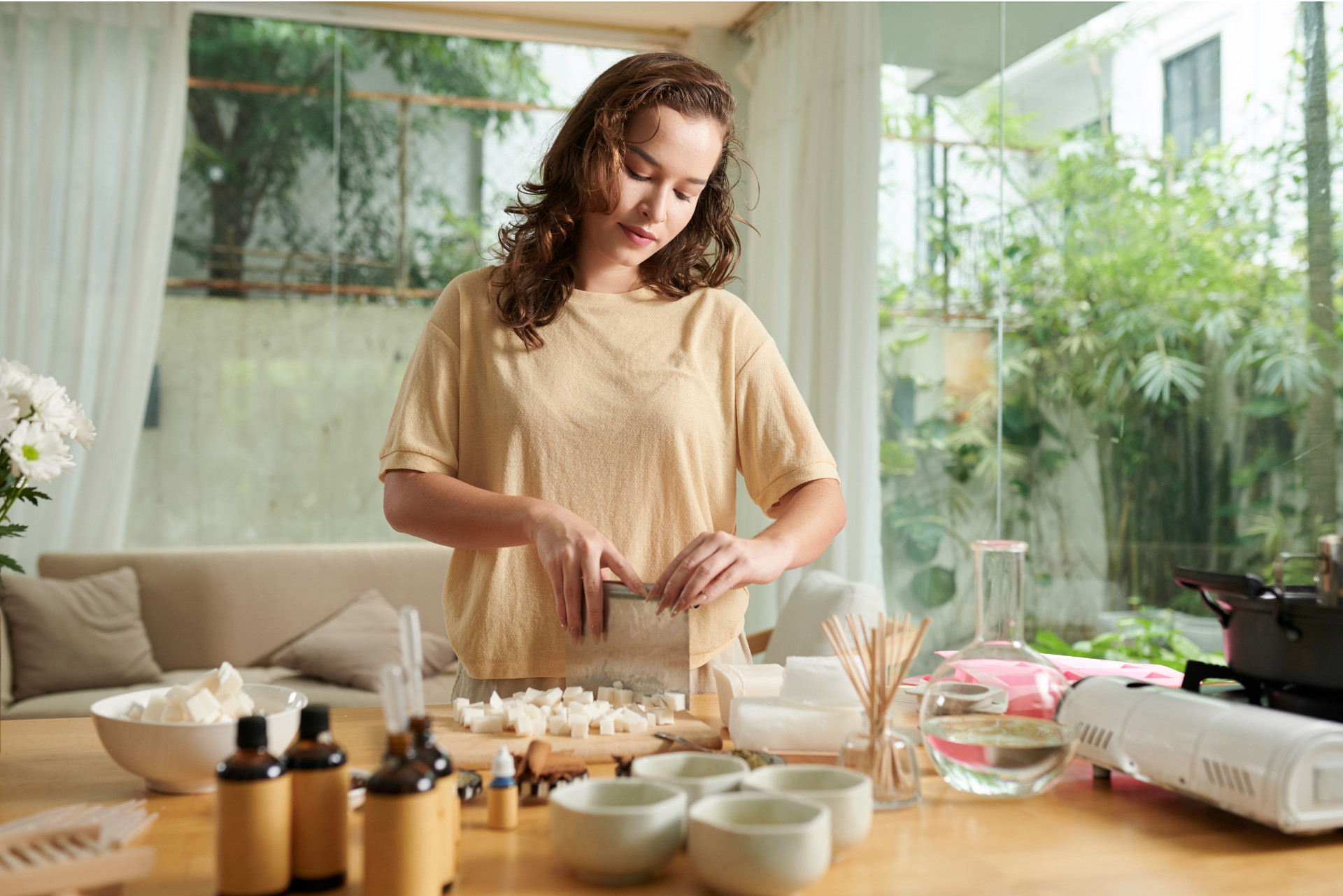
- Making products yourself, often in small batches from home or a dedicated workspace
- Working with a contract manufacturer who produces products for your brand
- White-label or private-label products, where an existing formula is branded and sold under your business name
Making products yourself can offer more creative control and lower upfront costs, but it also means you are responsible for ingredient sourcing, manufacturing practices, and documentation. Contract manufacturing or white-labelling can reduce hands-on production responsibility, but usually comes with higher startup costs and minimum order quantities.
There is no single right approach. The best option depends on your budget, skills, and how quickly you plan to grow.
Registering your business in Alberta
Before selling products, your business must be properly registered in Alberta.
This usually includes:
- Choosing a business structure, such as a sole proprietorship or corporation
- Registering your business name if you are operating under a name other than your own
- Obtaining any required municipal business licences
If you plan to make products from home, check your municipality’s rules for home-based businesses. Some municipalities have zoning or permitting requirements, particularly when products are manufactured on site rather than simply sold.
Understanding cosmetic regulations in Canada
Skincare and body products sold in Canada are regulated at the federal level by Health Canada under the Cosmetic Regulations.
As a business owner, you are responsible for:
- Ensuring products are safe for use
- Using permitted ingredients and avoiding restricted or prohibited substances
- Labelling products correctly
- Submitting a Cosmetic Notification Form (CNF) for each product sold in Canada
The Cosmetic Notification Form must be submitted to Health Canada within 10 days of a product being first sold. It includes information about the product, its ingredients, and the business responsible for it.
Health Canada also maintains a Cosmetic Ingredient Hotlist, which outlines substances that are restricted or prohibited in cosmetics. It is your responsibility to ensure your formulations comply with this list.
Labelling is another common challenge for new businesses. Labels must include specific information such as ingredient lists, directions for safe use, and the name and address of the responsible business. Claims made on packaging, websites, or social media must also stay within cosmetic guidelines.
Safety, quality control, and insurance
Safety and risk management are essential parts of running a skincare or body products business.
Most businesses carry product liability insurance, which helps protect you if a customer experiences an adverse reaction or injury. Many markets, retailers, and online platforms require proof of insurance before allowing you to sell.
It is also good practice to maintain basic quality control processes, even at a small scale. This can include:
- Keeping batch records so products can be traced if an issue arises
- Documenting ingredient suppliers
- Having a clear process for handling customer complaints or reported reactions
These steps protect both your customers and your business.
Selling your products in Alberta and beyond
Skincare and body products are commonly sold through:
- Online stores and marketplaces
- Farmers’ markets and craft markets
- Retail shops or consignment arrangements
Each sales channel may have its own requirements. Markets often request insurance certificates or product details, while retailers may ask for ingredient lists or proof of compliance.
If you plan to sell outside Alberta or internationally, additional rules may apply. Shipping cosmetics across borders can involve different labelling, documentation, or ingredient restrictions depending on the destination.
Pricing and costs that many new brands underestimate
Pricing skincare and body products can be challenging, especially in the early stages.
Beyond ingredients and packaging, costs often include:
- Regulatory and compliance work
- Insurance premiums
- Testing or formulation support
- Branding, photography, and marketing
- Website and e-commerce fees
Many new businesses underprice products without accounting for all of these costs. Taking the time to understand your full cost structure and pricing for profit can help you build a business that is sustainable, not just creative.
Business Link Alberta’s Small Business Financial Fundamentals Guide can help entrepreneurs break down costs, understand pricing, and build confidence around financial decision-making.
Helpful resources for skincare and body product businesses
The resources below can help you explore business setup, cosmetic regulations, and compliance requirements in more detail.
Business setup and planning in Alberta
- Business Link Alberta
Support for business registration, structure, pricing, market research, and early-stage planning for Alberta entrepreneurs.
- City of Calgary – Getting Started for Businesses
Information on business licensing, permits, zoning, and local requirements for entrepreneurs operating in Calgary.
- City of Edmonton – Home-Based Business Licences & Permits
Information on licensing, permits, and local requirements for home-based businesses operating in Edmonton.
- City of Red Deer – Business Licences
Information on business licence requirements and processes for entrepreneurs operating in Red Deer.
- City of Lethbridge – Home-Based Business Information
Information on permits, requirements, and guidelines for operating a home-based business in Lethbridge. - Check with your municipality for Information on business licensing, permits, and guidelines for operating a business in your area.
Cosmetic regulations and compliance
- Health Canada – Cosmetic Safety
Overview of how cosmetics are regulated in Canada, including safety and compliance responsibilities.
- Cosmetic Notification Form (CNF)
Guidance on submitting a Cosmetic Notification Form for products sold in Canada.
- Cosmetic Ingredient Hotlist
Health Canada’s list of restricted and prohibited ingredients in cosmetics.
- Labelling of Cosmetics
Requirements for ingredient lists, directions for safe use, and mandatory label information.
- Government of Alberta – Quick Guide to Cosmetic Requirements at Approved Farmers’ Markets
A practical overview of cosmetic requirements for products sold at approved farmers’ markets in Alberta, including labelling, safety, and compliance considerations. - Cosmetics Alliance Canada. This industry association can be very helpful when starting out. Be sure to check out their product safety section with important FAQs.
Getting support before you launch
Launching a skincare or body products business involves more than a great product idea.
Business Link Alberta supports entrepreneurs by helping them navigate early planning decisions, explore costs and pricing, and understand market considerations. Connecting with a business strategist can help you approach regulatory requirements with more clarity and avoid common early missteps.
If you’re thinking about starting a skincare or body products business in Alberta, you can book a free appointment with a Business Link Alberta Strategist to talk through your ideas, questions, and next steps.